Training for a big hike takes more than simply walking a few extra miles each week. You need enough leg strength for sustained climbs and descents, cardiovascular endurance for long days on the trail, and the ability to carry a pack without your body falling apart halfway through the day.
This 12-week hiking training plan is designed to build those things gradually. Over the next three months, you’ll combine strength training, hiking or walking, cardiovascular conditioning, and recovery while progressively increasing the demands on your body. Whether you’re preparing for a challenging day hike, a backpacking trip, or a multi-day trek, you can adjust the plan based on your current fitness level and the demands of your trip.
How to Use This 12-Week Hiking Training Plan
This plan is designed to gradually build the strength and endurance you’ll need on the trail without trying to do too much too soon. Most weeks include strength training, cardiovascular conditioning, and hiking or walking. As the plan progresses, your hikes get longer and more specific to the terrain and demands of your goal hike.
You can adjust the days to fit your schedule. The important part is to gradually increase your training while still allowing enough time for recovery. If you’re newer to exercise, start on the lower end of the suggested times and distances. If you already train regularly, you can begin with a stronger base and adjust accordingly.
Your Weekly Hiking Training Schedule
I’d give readers a simple framework before we get into Weeks 1–12:
2 days: Strength training
2 days: Cardiovascular training or brisk walking
1 day: Longer hike or progressively longer walk
1–2 days: Rest, recovery, or easy activity
Weeks 1–4: Build Your Base
The first four weeks are about establishing consistency and building a foundation of strength and aerobic fitness. Don’t worry about pushing the pace yet. You should finish most sessions feeling like you could have done a little more.
Week 1
- 2 strength workouts, 30–40 minutes
- 2 brisk walks or easy cardio sessions, 30 minutes
- 1 longer walk or hike, 60–75 minutes
Week 2
- 2 strength workouts, 30–45 minutes
- 2 cardio sessions, 30–35 minutes
- 1 hike or longer walk, 75–90 minutes
Week 3
- 2 strength workouts, 40–45 minutes
- 2 cardio sessions, 35–40 minutes
- 1 hike, approximately 90 minutes
- Begin incorporating hills when possible
Week 4
- 2 strength workouts, 40–45 minutes
- 2 cardio sessions, 35–45 minutes
- 1 hike, approximately 1½–2 hours
- Include some elevation gain if it fits your ability and goal
Weeks 5–8: Build Strength and Hiking Endurance
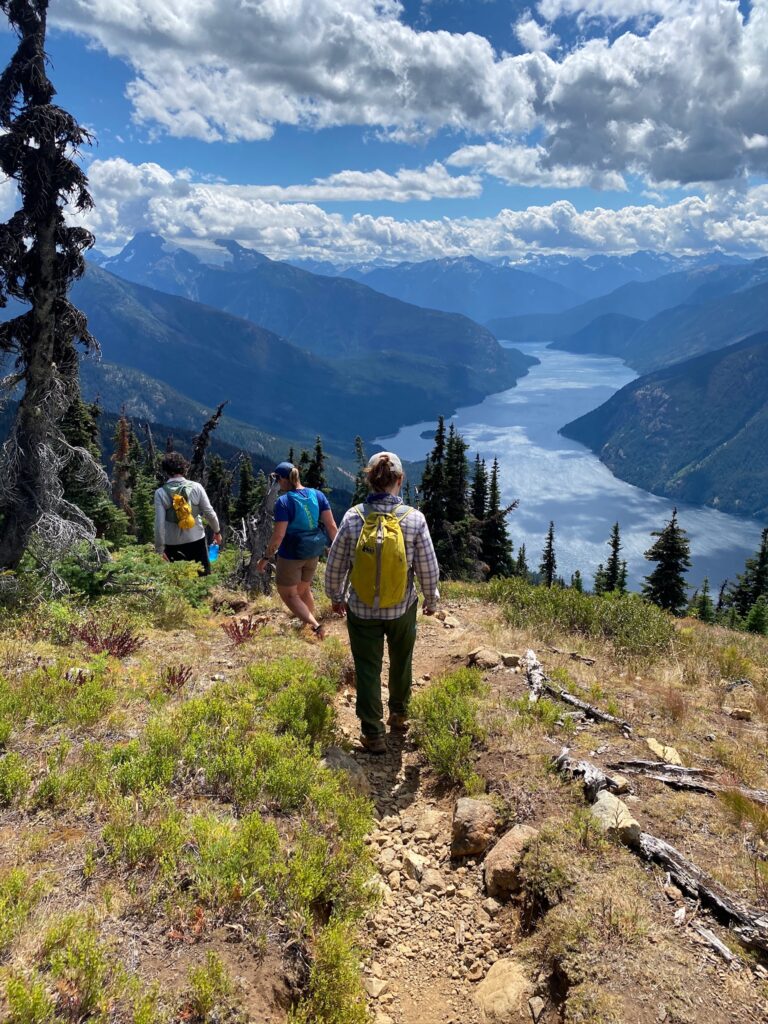
During the next four weeks, the goal is to make your training more specific to hiking. Continue strength training while gradually increasing the length of your hikes, adding more elevation, and beginning to carry a backpack if you’ll be using one on your trip.
Week 5
- 2 strength workouts, 40–50 minutes
- 1 moderate cardio session, 40–45 minutes
- 1 shorter walk or easy cardio session, 30–40 minutes
- 1 hike, approximately 2 hours
- Begin carrying a light backpack if appropriate for your goal
Week 6
- 2 strength workouts, 40–50 minutes
- 1 moderate cardio session, 45 minutes
- 1 hill, stair, or incline workout, 30–40 minutes
- 1 hike, approximately 2–2½ hours
- Practice hiking with your backpack
Week 7
- 2 strength workouts, 45–50 minutes
- 1 moderate cardio session, 45–50 minutes
- 1 hill, stair, or incline workout, 35–45 minutes
- 1 hike, approximately 2½–3 hours
- Gradually increase elevation and pack weight when appropriate
Week 8
- 2 strength workouts, 40–50 minutes
- 1 moderate cardio session, 45–60 minutes
- 1 hill or incline workout, 40–45 minutes
- 1 hike, approximately 3 hours
- Choose terrain that begins to resemble your goal hike
How Heavy Should Your Training Pack Be?
If you’ll carry a backpack on your trip, gradually introduce it during your training rather than suddenly loading it with a lot of weight. Start light and increase the load as your body adapts. As you get closer to your trip, aim to complete some of your longer training hikes carrying approximately the amount of weight you expect to carry on the actual hike.
You do not need to make the training pack heavier than your expected hiking pack just to make the workout harder. The goal is to prepare your body for the demands of your trip, not beat it up during training.
Weeks 9–11: Prepare for the Demands of Your Hike
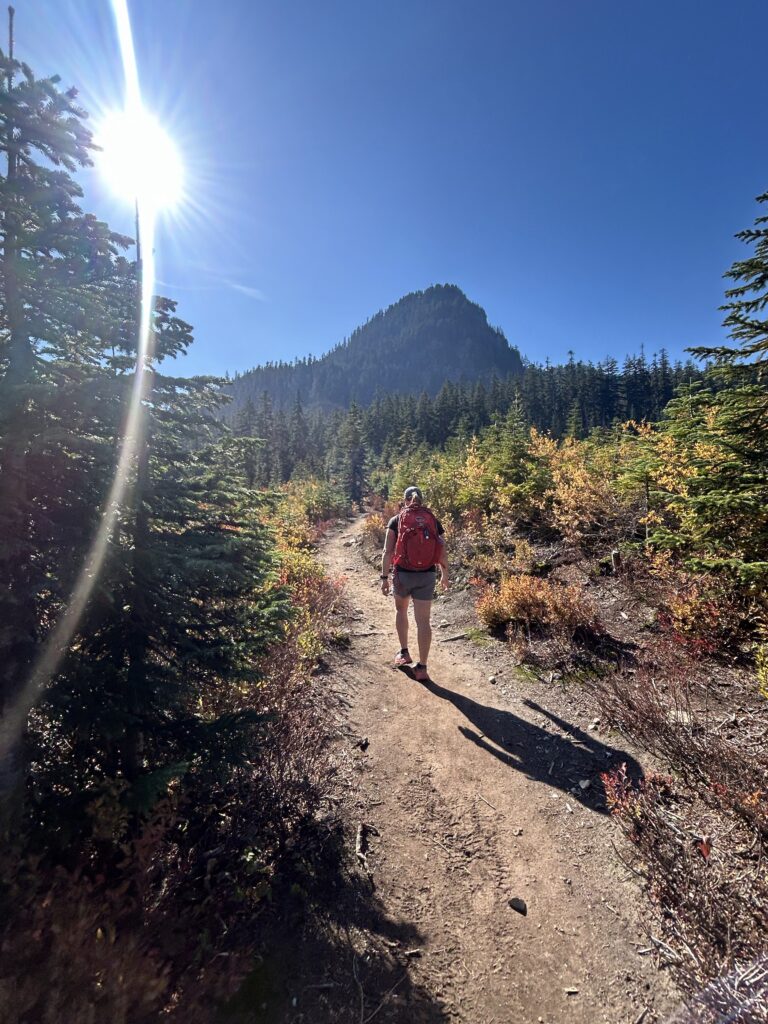
During these weeks, your training should become increasingly specific to the adventure you’re preparing for. Your longer hikes should include terrain, elevation, footwear, and pack weight that are reasonably similar to what you expect on your trip. This is also a good time to test the gear, food, and hydration strategies you plan to use.
Week 9
- 2 strength workouts, 40–50 minutes
- 1 moderate cardio session, 45–60 minutes
- 1 hill, stair, or incline workout, 40–50 minutes
- 1 longer hike, approximately 3–3½ hours
- Carry your hiking pack and include elevation when possible
Week 10
- 2 strength workouts, 40–50 minutes
- 1 moderate cardio session, 45–60 minutes
- 1 hill or incline workout, 45–50 minutes
- 1 longer hike, approximately 3½–4 hours
- Use terrain and pack weight that increasingly resemble your goal hike
Week 11
- 1–2 strength workouts, keeping the volume moderate
- 1 moderate cardio session, 40–50 minutes
- 1 shorter hill or incline session
- 1 longer hike, approximately 4 hours or an appropriate distance for your goal
- Practice with the footwear, pack, hydration, and fueling you plan to use
Week 12: Taper and Prepare for Your Hike
The final week is not the time to squeeze in one last huge workout. The fitness you’ve built over the previous 11 weeks is already there. Reduce your overall training volume so your legs have time to recover, and you arrive at your hike feeling rested rather than worn down.
Week 12
- 1–2 short, lighter strength sessions early in the week
- 1–2 easy walks or cardio sessions
- Keep your legs moving, but avoid hard hill workouts or a final long training hike
- Prioritize sleep, hydration, recovery, and preparing your gear
- Take additional rest before your hike as needed
What If My Hike Is Longer or Harder Than This Plan?
A four-hour training hike isn’t a magic requirement or a maximum. Your longest training sessions should reflect your experience and the demands of your upcoming trip. Someone preparing for a moderate day hike will need a different training load than someone preparing for a multi-day backpacking trip, the Tour du Mont Blanc, or a trek in Nepal.
You also don’t need to reproduce every mile of a very long trip during training. The goal is to progressively prepare your body for the combination of time on your feet, elevation, terrain, and pack weight you’ll encounter.
Best Strength Exercises for Hiking
Strength training can make climbing, descending, carrying a pack, and spending long hours on your feet feel much more manageable. You don’t need complicated exercises. Focus on movements that build strength through your legs, hips, core, and upper body.
For more guidance on building trail-specific fitness, read my guide on how to train for hiking.
Squats: Build strength through the quads, glutes, and hips for climbing and descending.
Step-ups: One of the most hiking-specific strength exercises. Use a box, bench, or step and gradually add resistance as you get stronger.
Reverse lunges: Build single-leg strength and stability while training each leg independently.
Calf raises: Strengthen the calves for climbing and help prepare the lower legs for extended time on the trail.
Romanian deadlifts: Strengthen the hamstrings, glutes, and posterior chain, which are important for hiking and carrying a pack.
Rows: Strengthen the upper back and shoulders, particularly useful when you’ll be carrying a backpack.
Planks or carries: Build core strength and stability for maintaining control while moving over uneven terrain and carrying a pack.
You don’t need to perform every exercise during every workout. A well-designed strength session might include 4–6 movements that train the major muscle groups, with the exercises and resistance progressing as you get stronger.
Training for Hills and Elevation
If your upcoming hike includes significant climbing and descending, some of your training should too. Hills, stairs, treadmill incline, and step-ups are all useful options when you don’t have regular access to mountain trails.
Start with manageable amounts of elevation and gradually increase the duration and difficulty. Don’t overlook downhill preparation either. Long descents can be surprisingly demanding on the legs, particularly the quads.
Whenever possible, use some of your longer training hikes to practice on terrain similar to your goal hike. Someone preparing for a relatively flat trail needs a different approach than someone training for thousands of feet of elevation gain.
Warm-Up and Recovery
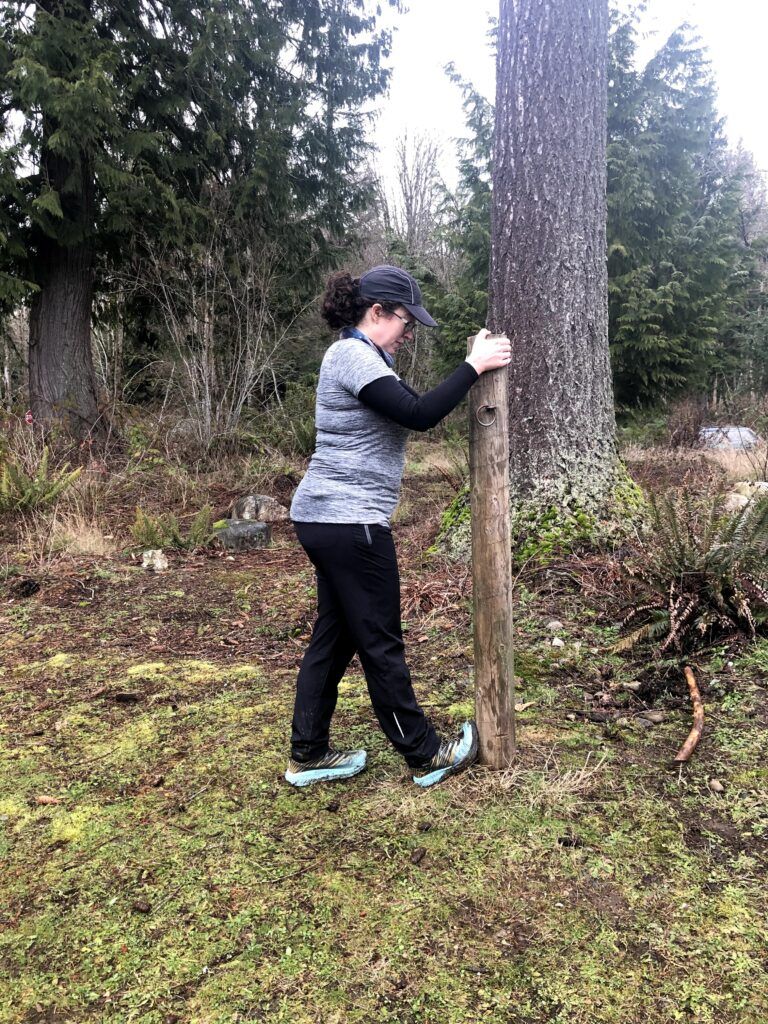
Before strength workouts or harder hiking sessions, spend 5–10 minutes gradually getting your body moving. An easy walk followed by dynamic movements such as leg swings, walking lunges, bodyweight squats, or step-ups can help prepare you for the workout ahead.
Recovery matters too. Your body adapts to training when it has enough time to recover. Include easier days and rest days throughout the plan, prioritize sleep, and pay attention to persistent pain or unusual fatigue rather than assuming every workout needs to be pushed through.
How to Adjust This Plan for Your Adventure
The best hiking training plan should reflect the hike you’re actually preparing for. Distance matters, but so do elevation gain, terrain, pack weight, consecutive days of hiking, and your current fitness level.
For a challenging day hike: Focus on gradually increasing time on your feet and elevation. Your longer training hikes should begin to resemble the terrain you’ll encounter on your goal hike.
For a backpacking trip: Introduce your backpack gradually and build toward carrying approximately the weight you expect on your trip. Strength training and longer hikes become especially important as your pack gets heavier.
For a multi-day trek: In addition to longer hikes, you may occasionally benefit from training on consecutive days. This helps prepare you for hiking again when your legs aren’t completely fresh. You don’t need to do this every weekend.
For a hike with significant elevation: Include hills, stairs, treadmill incline, or other climbing in your training. Also prepare for descending, which can be demanding on your legs even though it may not feel as difficult cardiovascularly as climbing.
For a high-altitude trek: Improving your fitness can help you handle the physical demands of hiking, but fitness does not prevent altitude illness. Appropriate acclimatization and a sensible ascent schedule are still important.
Need a Hiking Training Plan Built for Your Trip?
A general 12-week plan is a great starting point, but every adventure is different. Training for a local day hike isn’t the same as preparing for a backpacking trip, the Tour du Mont Blanc, the Grand Canyon, or a multi-day trek in Nepal.
I offer personalized online hiking training built around your current fitness level, schedule, available equipment, and the specific demands of the hike or trek you’re preparing for.
Learn more about personalized online hiking training and coaching.