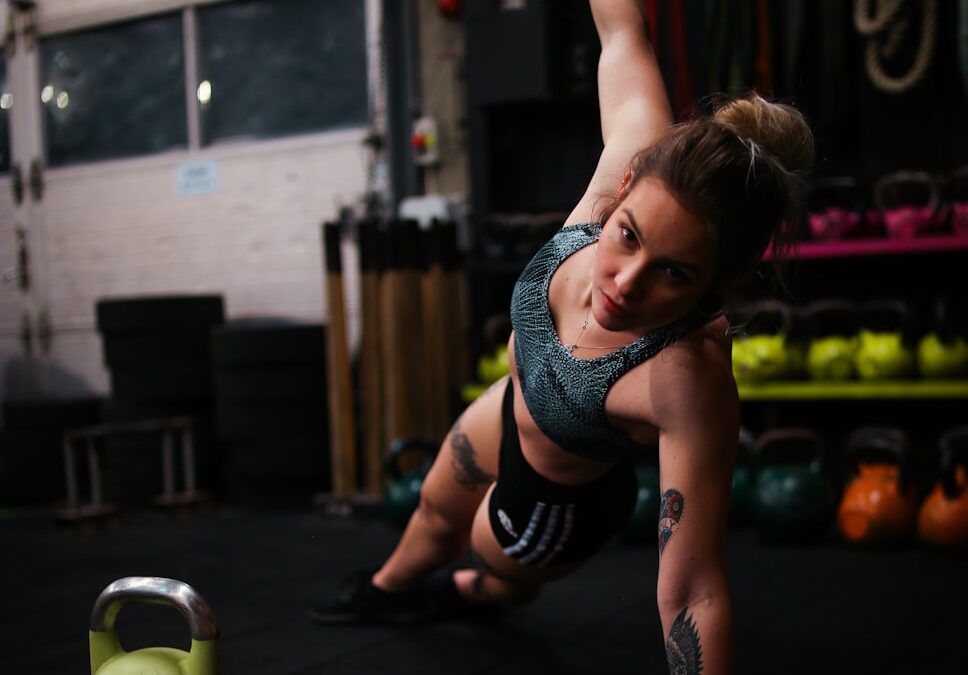
Starting a workout routine at home can feel simple at first—but most people get stuck before they ever build consistency. They’re not sure what exercises to do, how often to train, or if they’re doing anything correctly.
The goal isn’t to find the perfect program. It’s to start with something structured and realistic that you can actually stick to.
Keep It Simple at the Start
One of the biggest mistakes beginners make is trying to do too much too quickly. You don’t need a complicated plan or a long list of exercises.
Start with 2–3 workouts per week. Focus on basic movements and give yourself time to build consistency before adding more.
A simple plan done consistently will always beat an advanced plan you can’t stick to.
Focus on Basic Movements
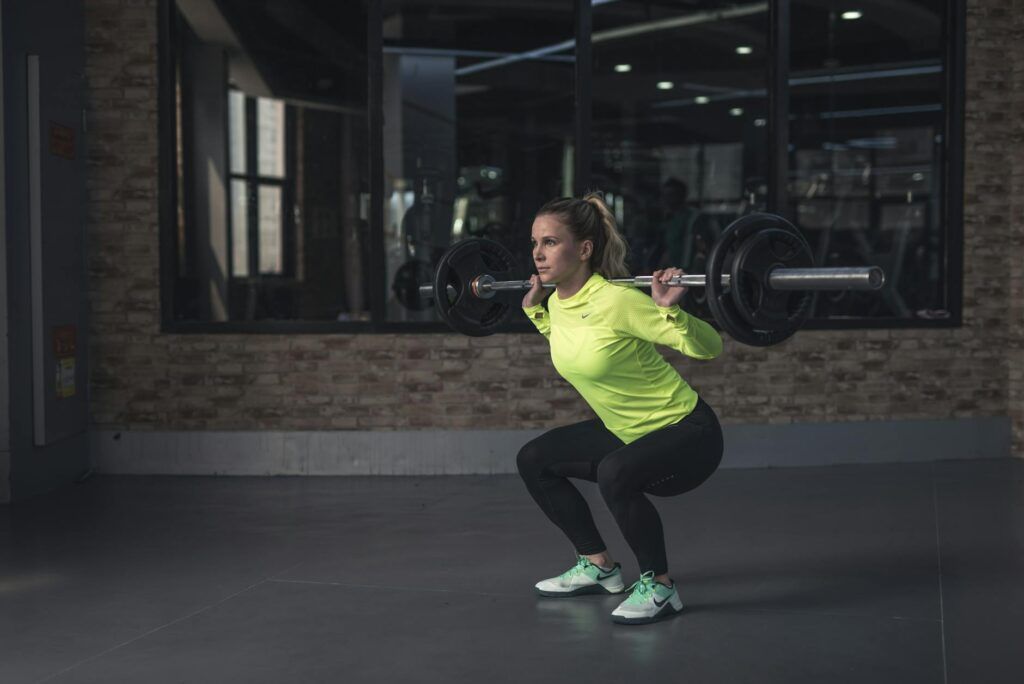
You don’t need a lot of equipment to get started. Most effective home workouts are built around a few key movement patterns:
- Squat (chair squats or goblet squats)
- Hinge (hip hinges or deadlift variations)
- Push (push-ups or incline push-ups)
- Pull (bands or rows if available)
- Core (planks or controlled core work)
These movements cover the basics and help you build strength in a balanced way.
Don’t Overthink Equipment
You can get a solid workout with minimal equipment. Bodyweight, resistance bands, or a pair of dumbbells is more than enough to start.
The structure of your workout matters more than what equipment you have.
Follow a Simple Structure
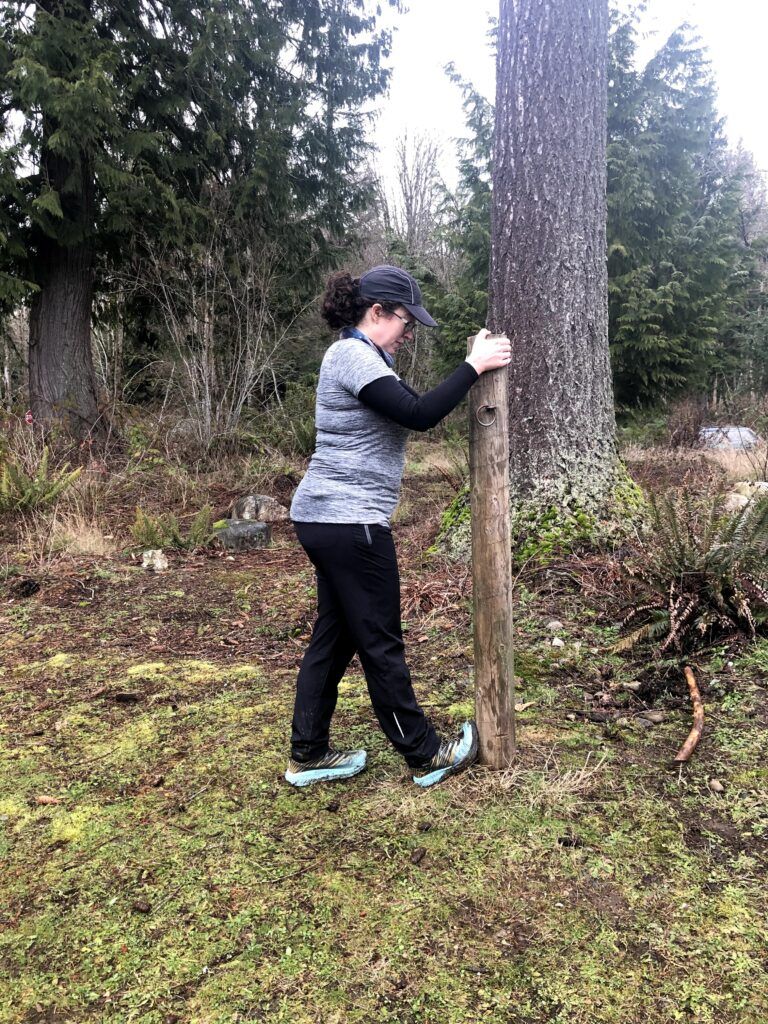
A basic workout might look like this:
- 5–10 minute warm-up
- 4–5 exercises
- 2–3 sets each
- Controlled pace, focusing on form
Keep sessions around 30–45 minutes. That’s enough to make progress without feeling overwhelmed.
Consistency Matters More Than Intensity
You don’t need to train hard every day. What matters most is showing up consistently.
Start with a schedule you can realistically maintain:
- 2–3 days per week
- Same days each week if possible
Building the habit is the priority.
Pay Attention to Form
One of the challenges with working out at home is not knowing if you’re doing exercises correctly.
Take your time with each movement. Controlled, intentional reps are more effective than rushing through exercises.
If something feels off, adjust. Good form will help you avoid injury and get better results.
When to Get Help
If you’re unsure where to start or feel like you’re guessing your way through workouts, getting guidance can make a big difference.
Working with a coach—even remotely—can give you structure, accountability, and a clear plan so you’re not figuring everything out on your own.
If you’re local, options like in-home personal training in Lynnwood can also help you build confidence and learn proper technique early on.
Final Thoughts
Starting a home workout routine doesn’t need to be complicated.
Focus on:
- Simple movements
- A clear structure
- A realistic schedule
Consistency over time is what leads to results.